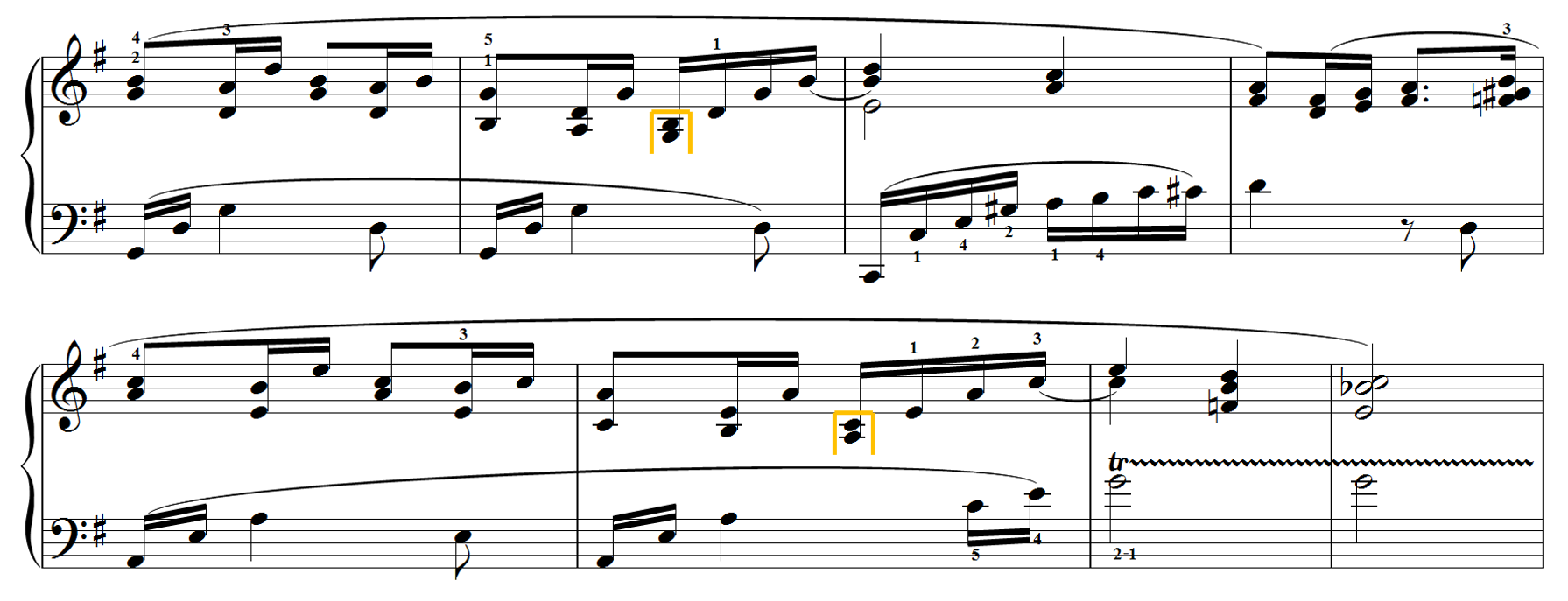
“I prefer to take the top of the arpeggio as a triad to avoid crossing again in the left hand.”
Submitted by Michael Clark
Published on 4/13/2020


“I prefer to take the top of the arpeggio as a triad to avoid crossing again in the left hand.”
Submitted by Michael Clark
Published on 4/13/2020

“The G-sharp is already being played by the right hand—no need to add an extra crossing in the left hand to play it.”
Submitted by Michael Clark
Published on 4/13/2020

“Where possible, I like to take the tops of arpeggios that reach high into the treble staff with the right hand.”
Submitted by Michael Clark
Published on 4/13/2020

“I find it more comfortable to end the right hand with a finger crossing than to start the left hand with one.”
Submitted by Michael Clark
Published on 4/13/2020

“As often happens in Strauss, the left reaches to a note the right hand is already playing. Why not have the right hand play it?”
Submitted by Michael Clark
Published on 4/13/2020
“Taking this dyad in the left hand eliminates position shifts in the right hand.”
Submitted by Michael Clark
Published on 4/13/2020
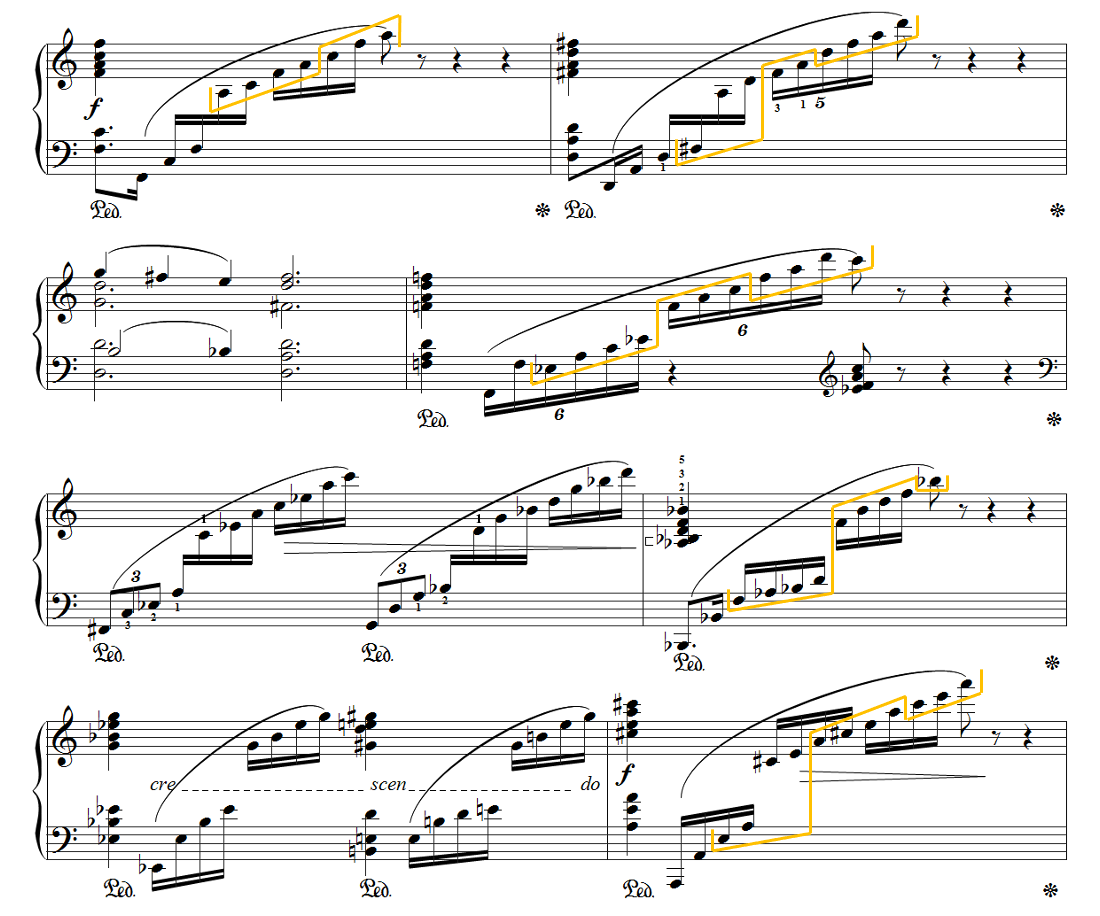
“I find some of these arpeggios more comfortable when taken hand over hand.”
Submitted by Michael Clark
Published on 4/13/2020

“This arpeggio comes very easily hand over hand.”
Submitted by Michael Clark
Published on 4/13/2020

“I like to divide these arpeggios more evenly between the hands.”
Submitted by Michael Clark
Published on 4/13/2020

Submitted by Frances Lee
Published on 3/15/2020
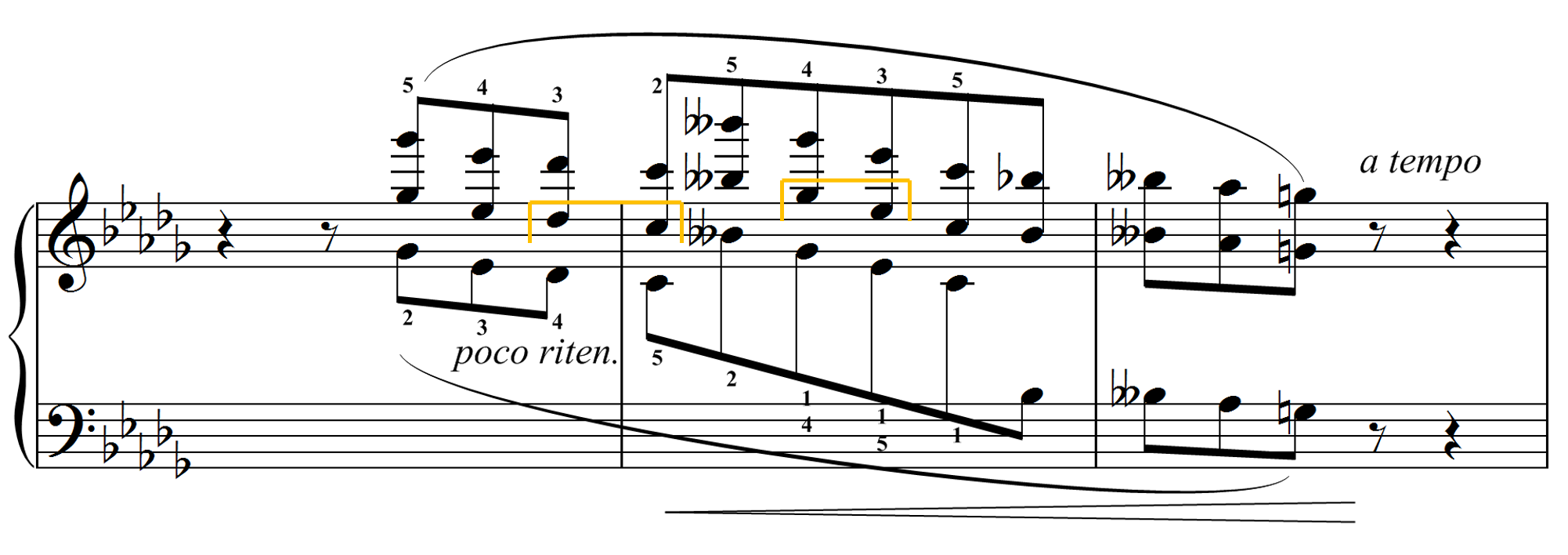
“The numerous instances like these throughout the movement free up the right hand to be more legato and to more easily follow the melodic inflection.”
Submitted by Bill Brown with thanks to Menahem Pressler
Published on 5/15/2020

“The numerous instances like these throughout the movement free up the right hand to be more legato and to more easily follow the melodic inflection.”
Submitted by Bill Brown with thanks to Menahem Pressler
Published on 5/15/2020

“The numerous instances like these throughout the movement free up the right hand to be more legato and to more easily follow the melodic inflection.”
Submitted by Bill Brown with thanks to Menahem Pressler
Published on 5/15/2020

“The numerous instances like these throughout the movement free up the right hand to be more legato and to more easily follow the melodic inflection.”
Submitted by Bill Brown with thanks to Menahem Pressler
Published on 5/15/2020

“The sixths are more legato when taken with two hands.”
Submitted by Michael Clark
Published on 4/13/2020
Submitted by Timothy Jones
Published on 10/5/2023
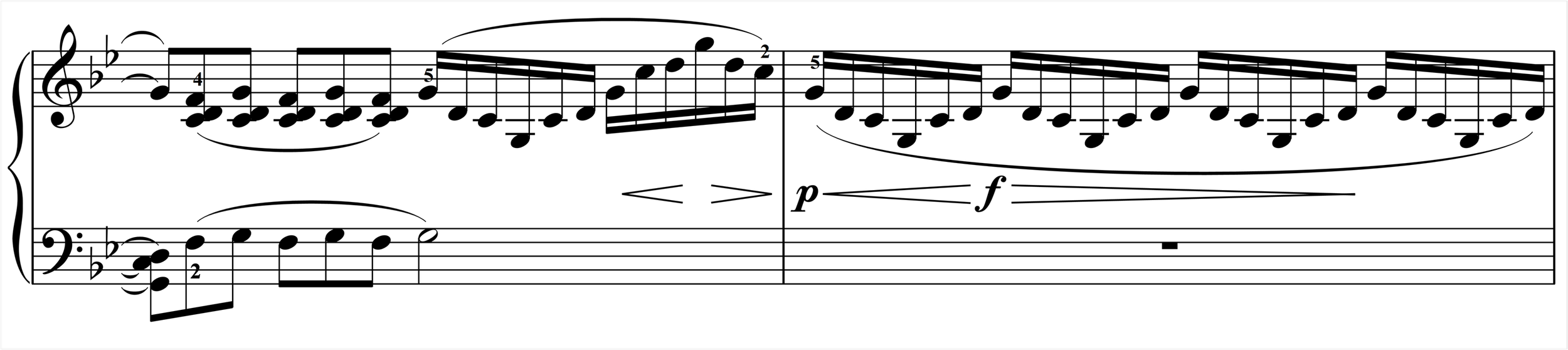
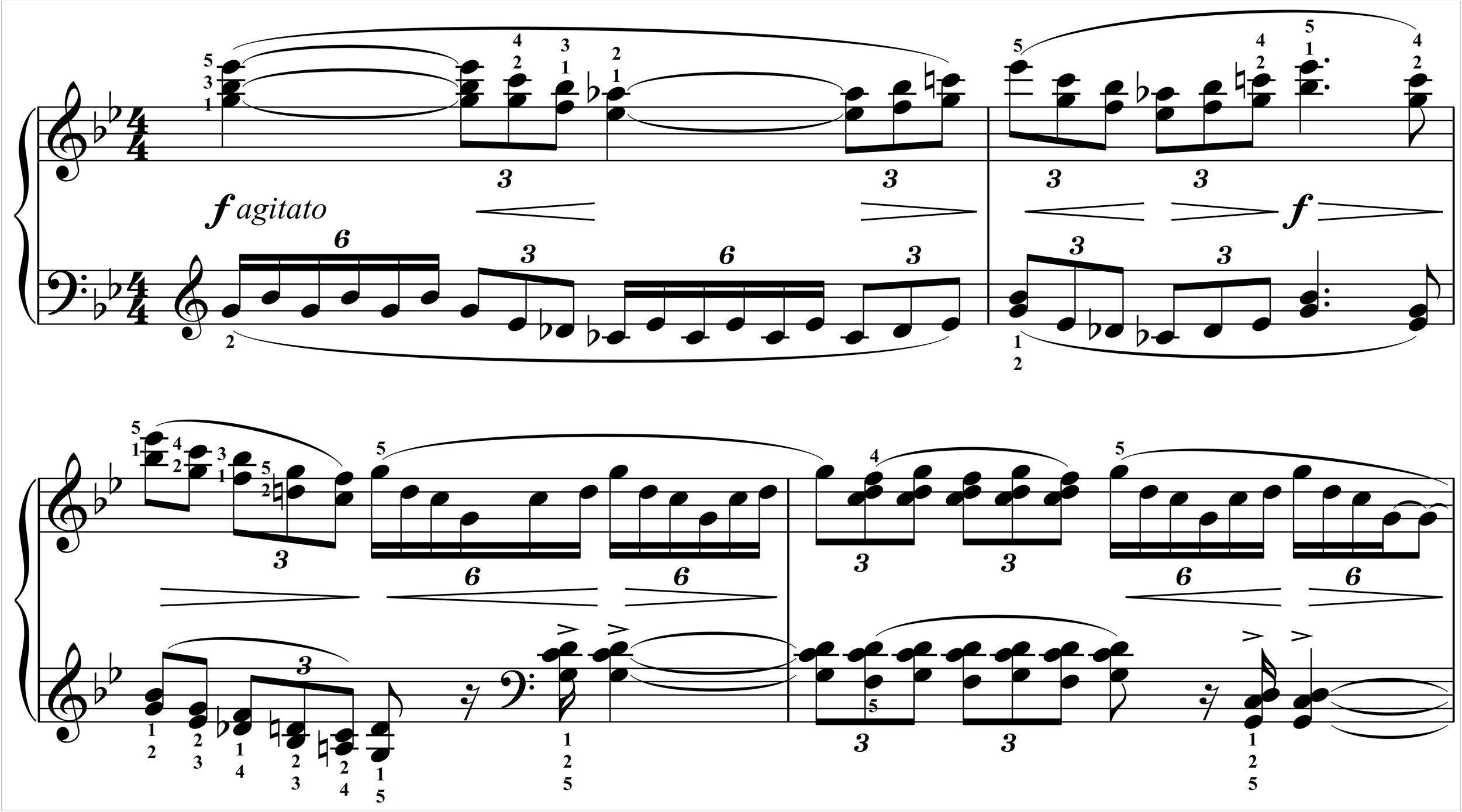
“This fingering allows for a break in the slur between mm. 5 and 6. It should not sound like the figure is being slurred over the bar.”
Submitted by Timothy Jones
Published on 10/5/2023

“Using this fingering allows for the break of the slur over the bar line, which in turn allows the singer to prepare for the major sixth ascending leap to their higher register and place the downbeat.”
Submitted by Timothy Jones
Published on 10/5/2023