Submitted by Michael Lenahan
Published on 5/1/2020


Submitted by Michael Lenahan
Published on 5/1/2020

Submitted by Michael Lenahan
Published on 5/1/2020

Submitted by Michael Lenahan
Published on 5/1/2020

Submitted by Michael Lenahan
Published on 5/1/2020
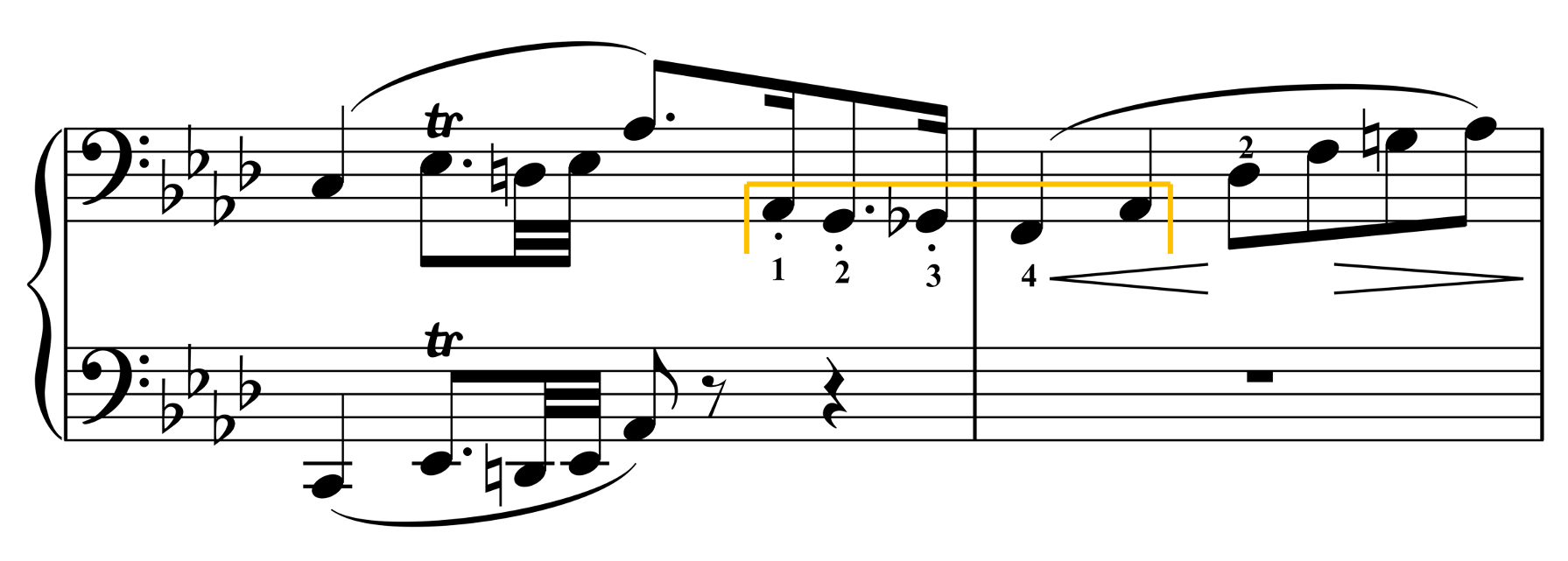
“The left hand is already in this register, and using two hands avoids a position shift in the right hand.”
Submitted by Michael Clark
Published on 1/1/2020

“The left hand can assist in a secure ending to the trill.”
Submitted by Michael Clark
Published on 1/1/2020
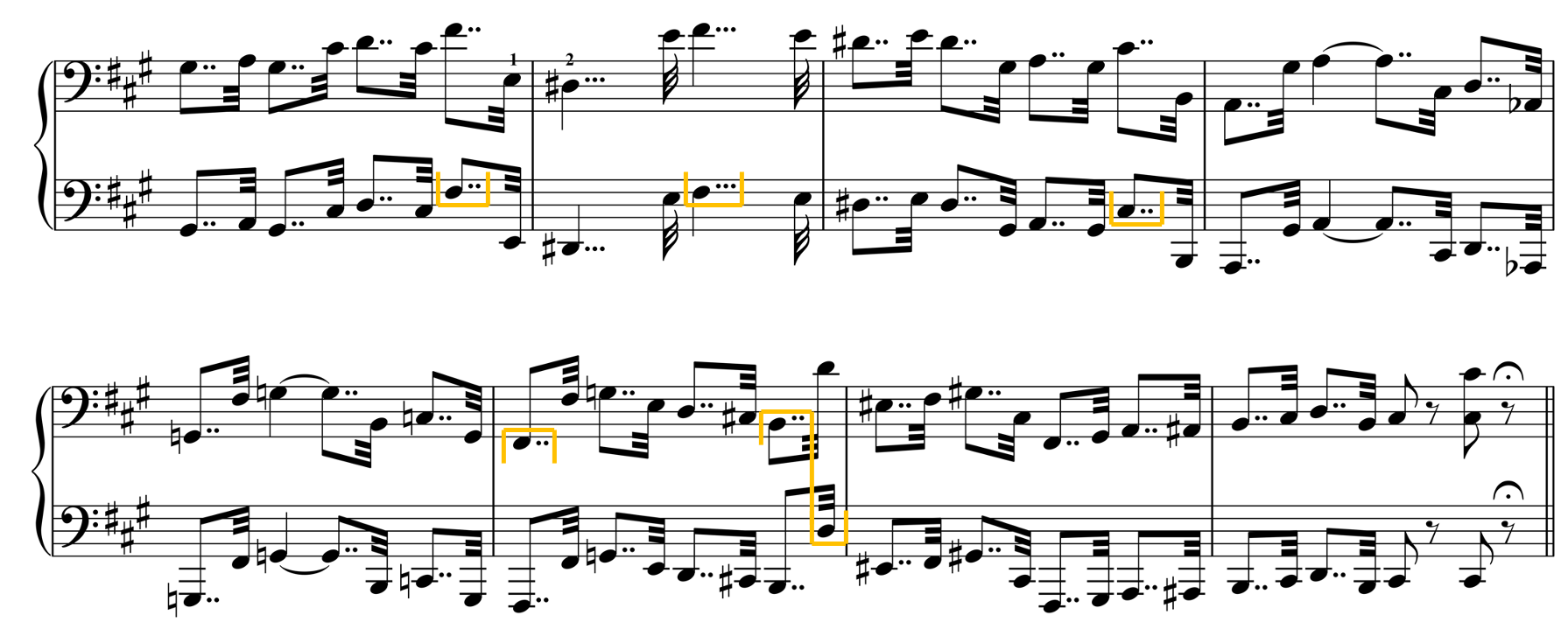
“Take some of the highest and lowest notes as octaves reduces the number of position shifts.”
Submitted by Michael Clark
Published on 1/1/2020

“This fingering avoids finger crossing and uncomfortable stretches.”
Submitted by Michael Clark
Published on 1/1/2020

“I find it awkward to reach with the left-hand thumb to play the last three notes, and the right hand is already on the note.”
Submitted by Michael Clark
Published on 1/1/2020
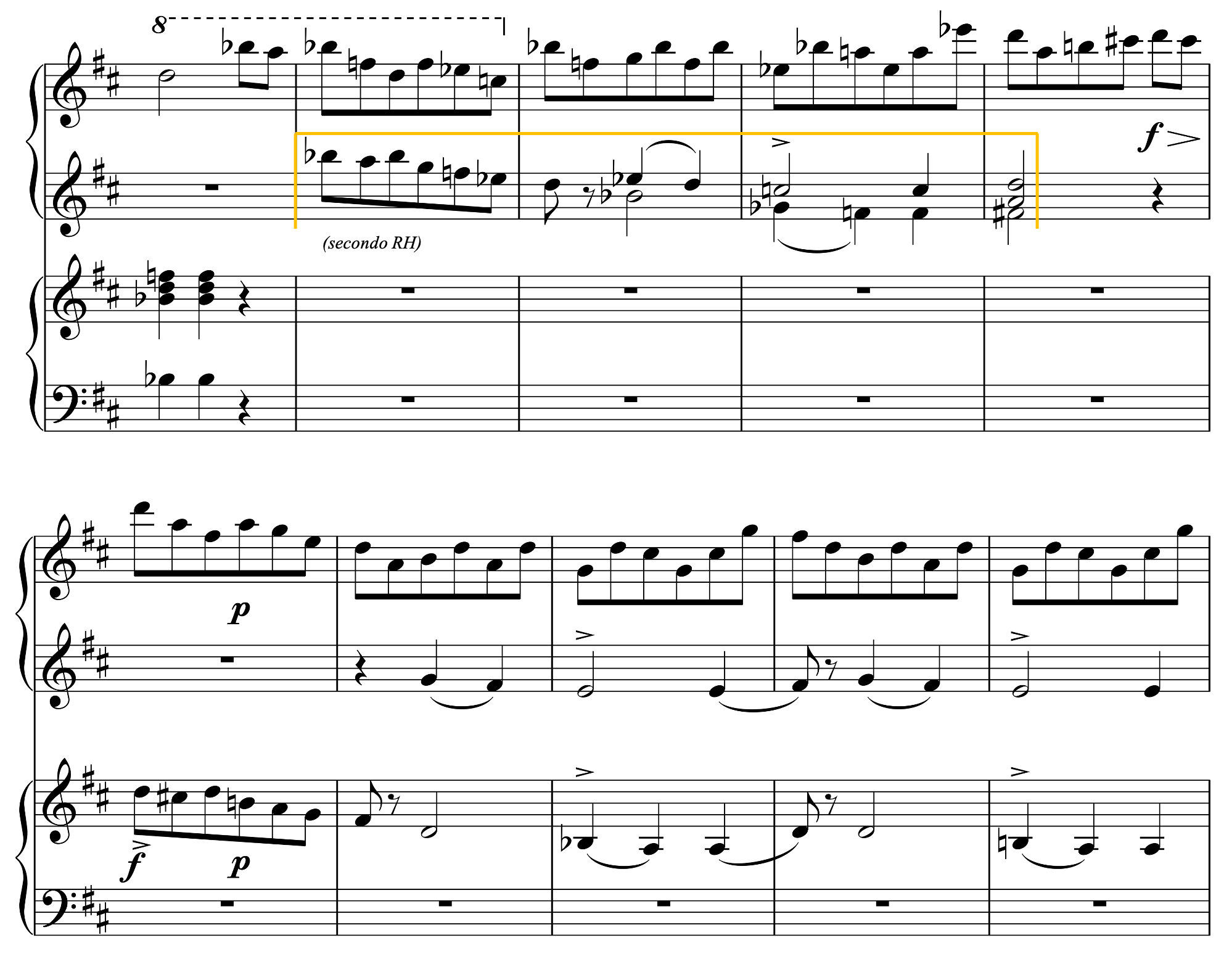
“If the primo performer is struggling at all with this passage, it can be shared with the other player.”
Submitted by Michael Clark
Published on 1/1/2020

“Taking the low A as an octave allows the right hand to continue on stronger fingers without an awkward leap.”
Submitted by Michael Clark
Published on 1/1/2020

“I find it easier to start the left-hand octaves in m. 544 and keep them through the down beat of m. 547. Taking the Cs as octaves in mm. 549 and 552 allows the left hand move to its new position earlier.”
Submitted by Michael Clark
Published on 1/1/2020

“Taking the alto notes with the left hand assimilates the first half of the measure with the second which I find both mentally and physically simpler.”
Submitted by Michael Clark
Published 1/1/2020

“Taking the F in the left hand allows the right hand to use strong fingerings on the ascending triad for a more forceful delivery.”
Submitted by Michael Clark
Published 1/1/2020
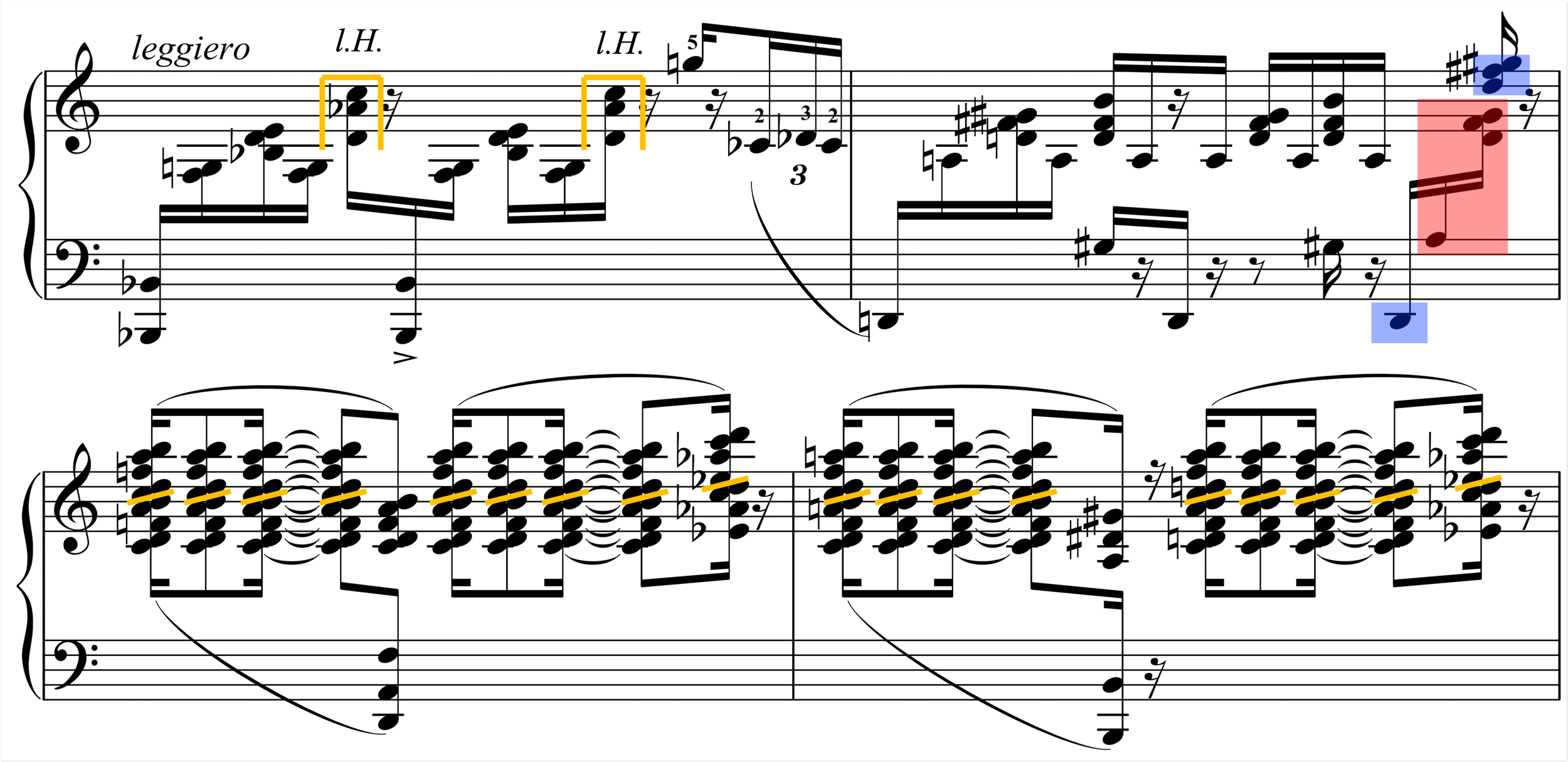
“The crossing of left hand to hit the top chord in m. 5 rather than playing the division of hands as written is much less precarious.”
Submitted by Wade Troyer
Published on 12/15/22

Submitted by Wade Troyer
Published on 12/15/2022

“Editing the score to take out the doubled ‘D’ between hands make this section much easier to read after the page turn and the splitting between hands a bit easier to play when it doesn't feel as natural as previous moments it happens in the piece.”
Submitted by Wade Troyer
Published on 12/15/2022
Original:

Suggested performance:

“I find this approach is less awkward physically and gives more control of the inner voices.”
Submitted by Michael Clark with thanks to Nancy Weems
Published on 1/1/2020